R&D and Manufacturing
From laboratory bench to full-scale plant — a self-reliant path from technology to industrial production.
Four research platforms,
from first synthesis to full-scale production
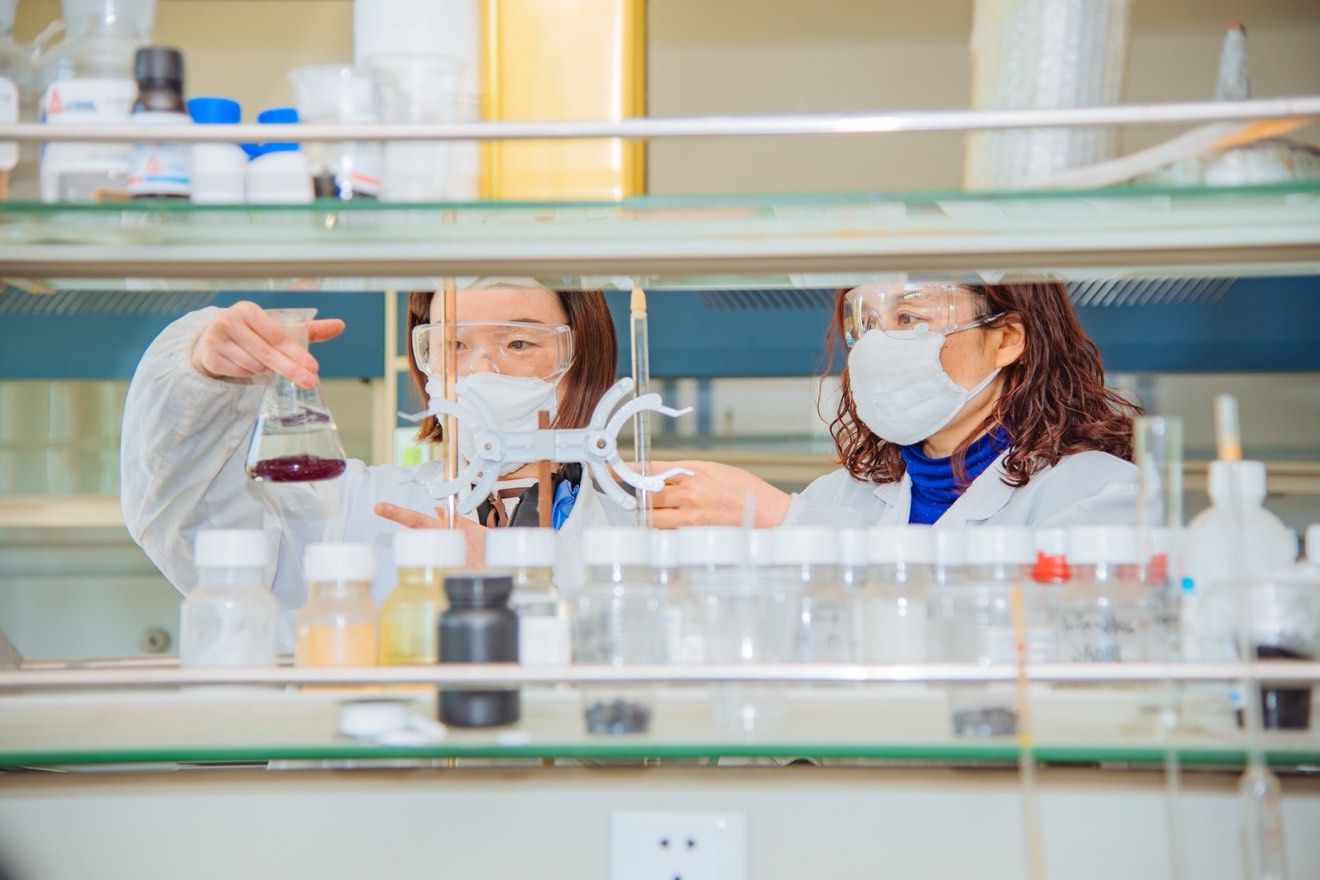
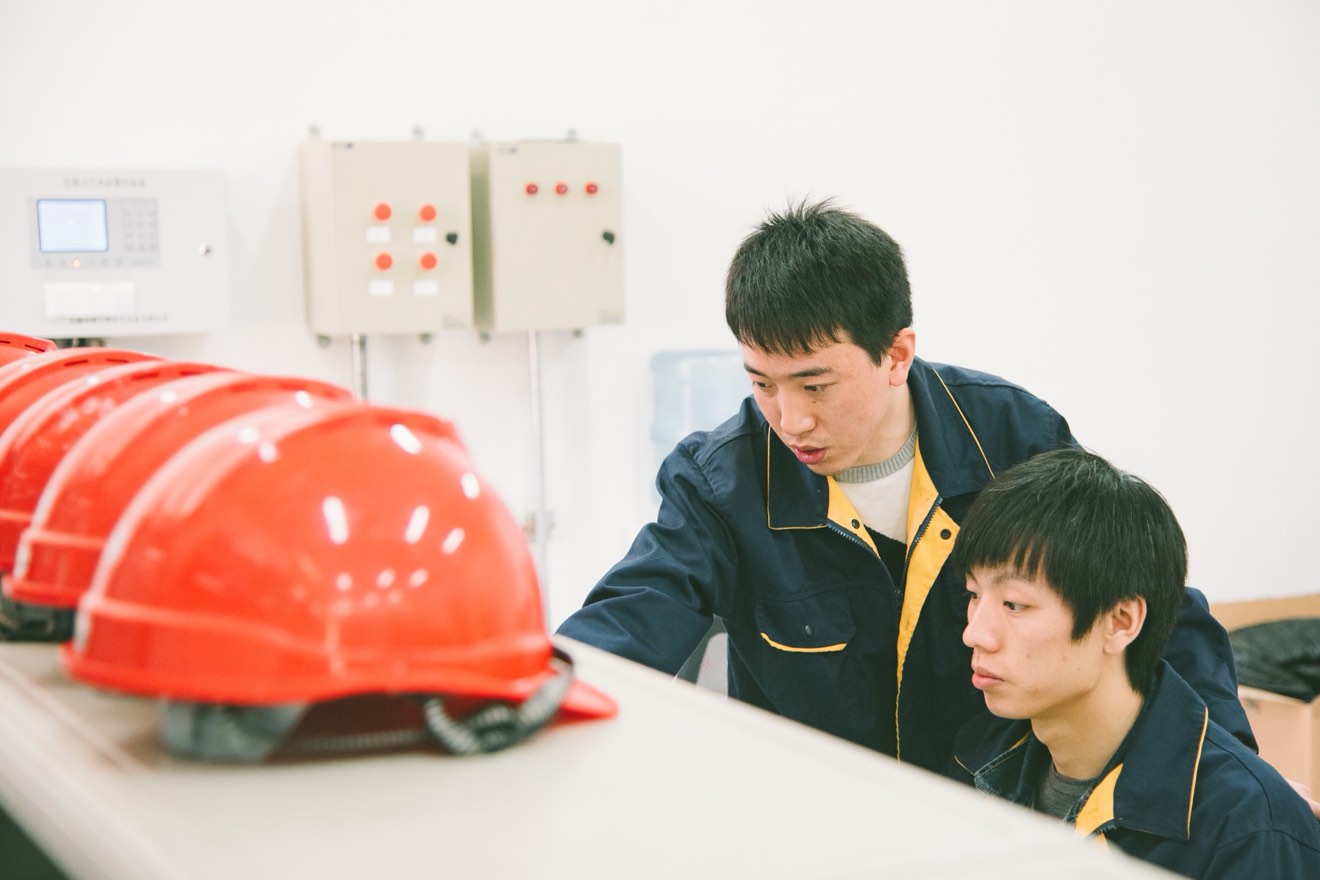
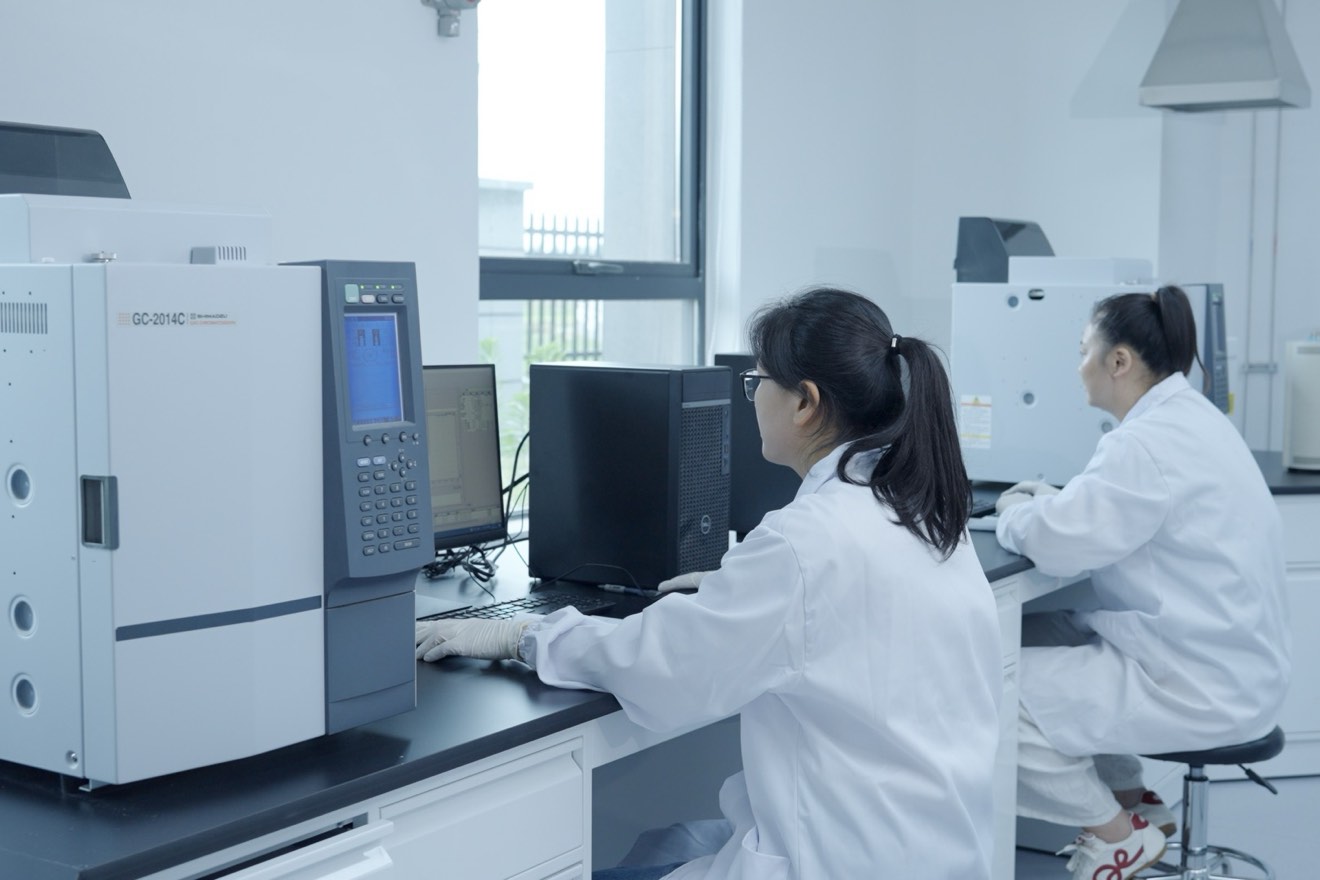
Acryl has established a national post-doctoral research station branch, a Jiangsu provincial graduate workstation and the Jiangsu Engineering Research Center for New-Type Polymer Materials. The team includes 8 PhD and master's degree holders and over 40 technical and management professionals, and has repeatedly delivered provincial and municipal research programmes.
- Industry–university collaboration on fundamental formulation and process research
- Pilot scale-up: a complete validation path from bench formulation to pilot plant
- Process engineering: catalyst systems, continuous reaction, separation and purification designed in-house
- Application development: grade customisation and formulations matched to real operating conditions
Technology achievements
30
Granted Chinese invention patents
1
US patent
19
Invention patents pending
2
Provincial and municipal science awards
Continuous polyetheramine process
Acryl synthesised its own high-activity, high-selectivity catalyst system and mastered continuous production, achieving stable industrial manufacture of multiple polyetheramine grades. Expert assessment rated the process as internationally advanced, and it received the third prize of the 2015 Jiangsu Science and Technology Award and the second prize at Wuxi municipal level.
Cyclic olefin monomer synthesis and copolymerisation
Since 2014, through years of full-chain in-house research, the company has mastered both cyclic olefin monomer synthesis and the copolymerisation process and built a kilotonne-scale COC line, supporting domestic supply of high-end optical materials.
Selected granted patents
A selection of the company’s granted invention patents. As at 31 December 2025 Acryl held 30 granted Chinese invention patents and 1 US invention patent.
| Patent | Patent number | Granted |
|---|---|---|
| Polyetheramine & aliphatic amines | ||
| Process for preparing polyetheramine | ZL201210052388.0 | 2013 |
| Method for preparing polyetheramide materials | ZL201210270136.5 | 2013 |
| Preparation of polyetheramine-modified nylon with moisture absorption and antistatic properties | ZL201310003523.7 | 2014 |
| Continuous-process production unit for polyetheramine | ZL201410396107.2 | 2015 |
| Continuous process for low-molecular-weight polyetheramine | ZL201410396520.9 | 2016 |
| Cyclic olefins & optical materials | ||
| Production process for norbornene | ZL201410432558.7 | 2016 |
| Composite metallocene catalyst for norbornene polymerisation and its preparation | ZL201610495924.2 | 2018 |
| Combined catalyst for norbornene polymerisation and its preparation | ZL201610496312.5 | 2018 |
| Cyclic olefin copolymer, its preparation and application | ZL201911119931.2 | 2022 |
| Cyclic olefin copolymer, its preparation and application | ZL201911119943.5 | 2022 |
| Method for preparing trifluoromethyl-containing norbornene compounds and its application | ZL201911355723.2 | 2022 |
| Preparation of cyclic olefin copolymer and its use in heat-resistant optical materials | ZL202110791194.1 | 2022 |
| Preparation of cyclic olefin copolymer and its use in heat-resistant optical materials | ZL202110791200.3 | 2022 |
| Cyclic olefin copolymer, its preparation and application | ZL202211537268.X | 2023 |
| Optical-grade polymer film, its preparation and application | ZL202211537273.0 | 2023 |
| Optical-grade polymer, its preparation and application | ZL202211538834.9 | 2023 |
| Acrylates & resins | ||
| Continuous process for tert-butyl (meth)acrylate | ZL201410303134.0 | 2015 |
| Preparation of high-solids acrylic resin | ZL201710115685.8 | 2019 |
| Styrene-free low-shrinkage unsaturated polyester resin and its preparation | ZL201710418158.4 | 2019 |
| Heat-resistant unsaturated polyester resin and its preparation | ZL201710418479.4 | 2019 |
| Acrylate compounds for coatings, their preparation, and coatings containing them | ZL201711339235.3 | — |
| Acrylic resin, its preparation and use | ZL201811295156.1 | 2021 |
| Polyurethane acrylate oligomer, its preparation and use | ZL201811295167.X | 2021 |
| Catalysts & functional materials | ||
| Titanium-silicon molecular sieve, its preparation and use | ZL201811548742.2 | 2021 |
| Titanium-silicon molecular sieve, its preparation and use | ZL201811548743.7 | 2021 |
| Metal-ion adsorbent, its preparation and application | ZL202211558884.3 | 2023 |
This table lists 26 granted Chinese invention patents; one US invention patent is held in addition. Patent counts and current status are governed by the annual report and by CNIPA records. Titles are working translations of the Chinese originals.
Two manufacturing bases
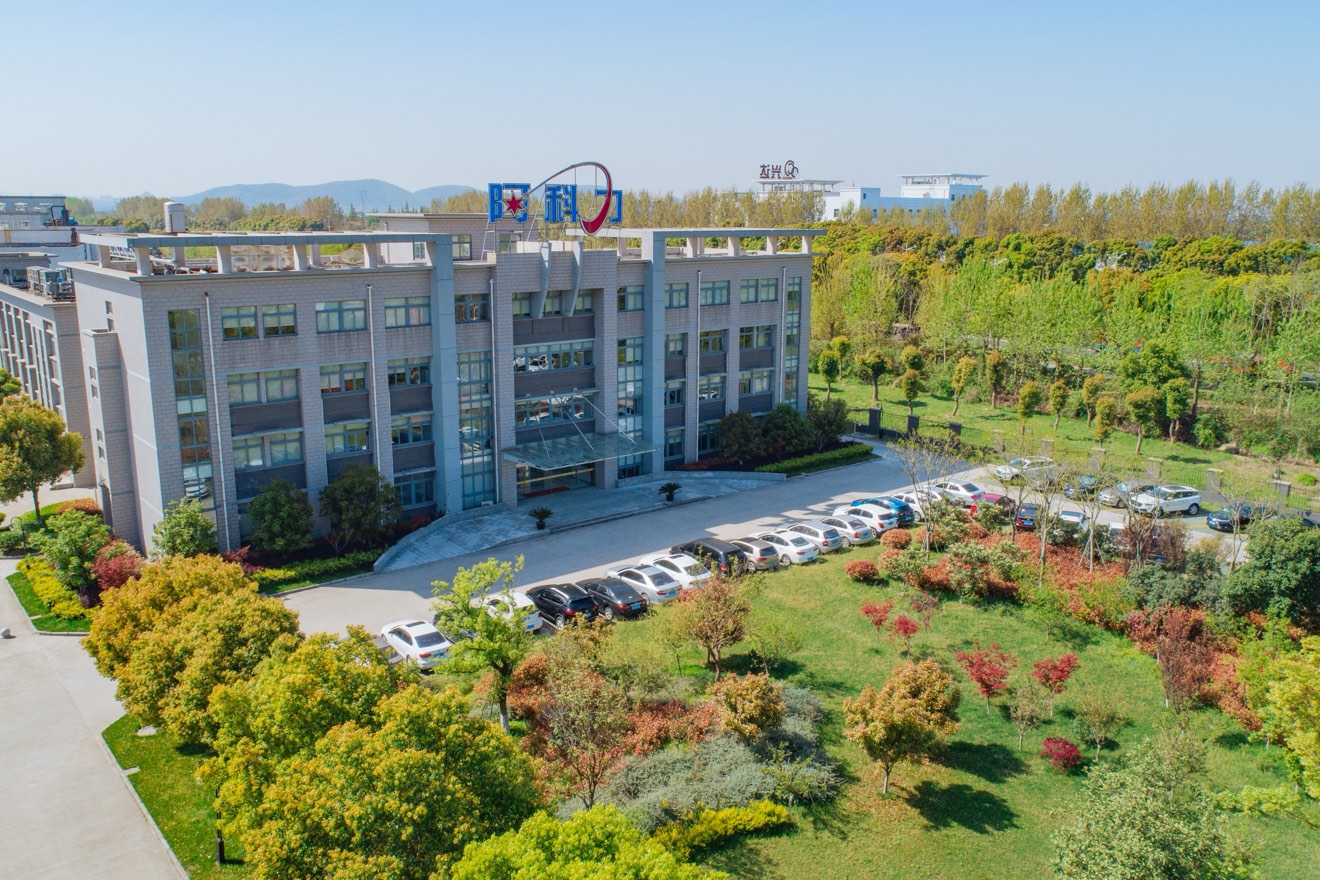
Wuxi carries R&D, pilot production and high-value manufacturing; Qianjiang takes on large-scale capacity and integrated utilities. Use the tabs below to switch between sites.
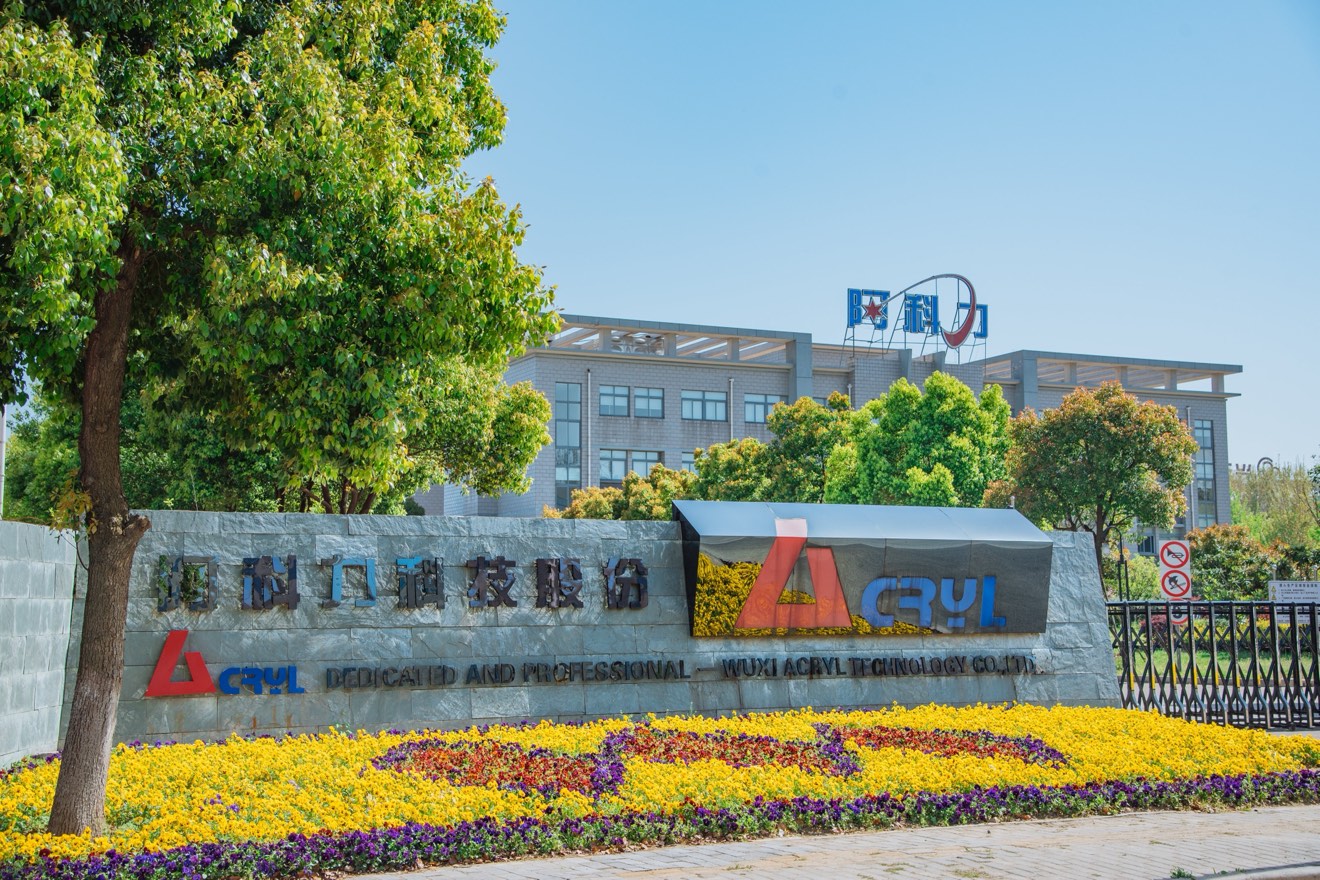
Wuxi Acryl Technology Co., Ltd.Founded in 1999 and listed on the SSE Main Board in 2017 under the code 603722.
Donggang New Material Industrial ParkNo. 29 Minxiang Road, Xishan District, Wuxi, on a site of about 70,000 m².
Polyetheramine · optical monomers · high-clarity materials20,000 t/y aliphatic amine, 5,000 t/y optical materials, 7,000 t/y high-clarity materials.
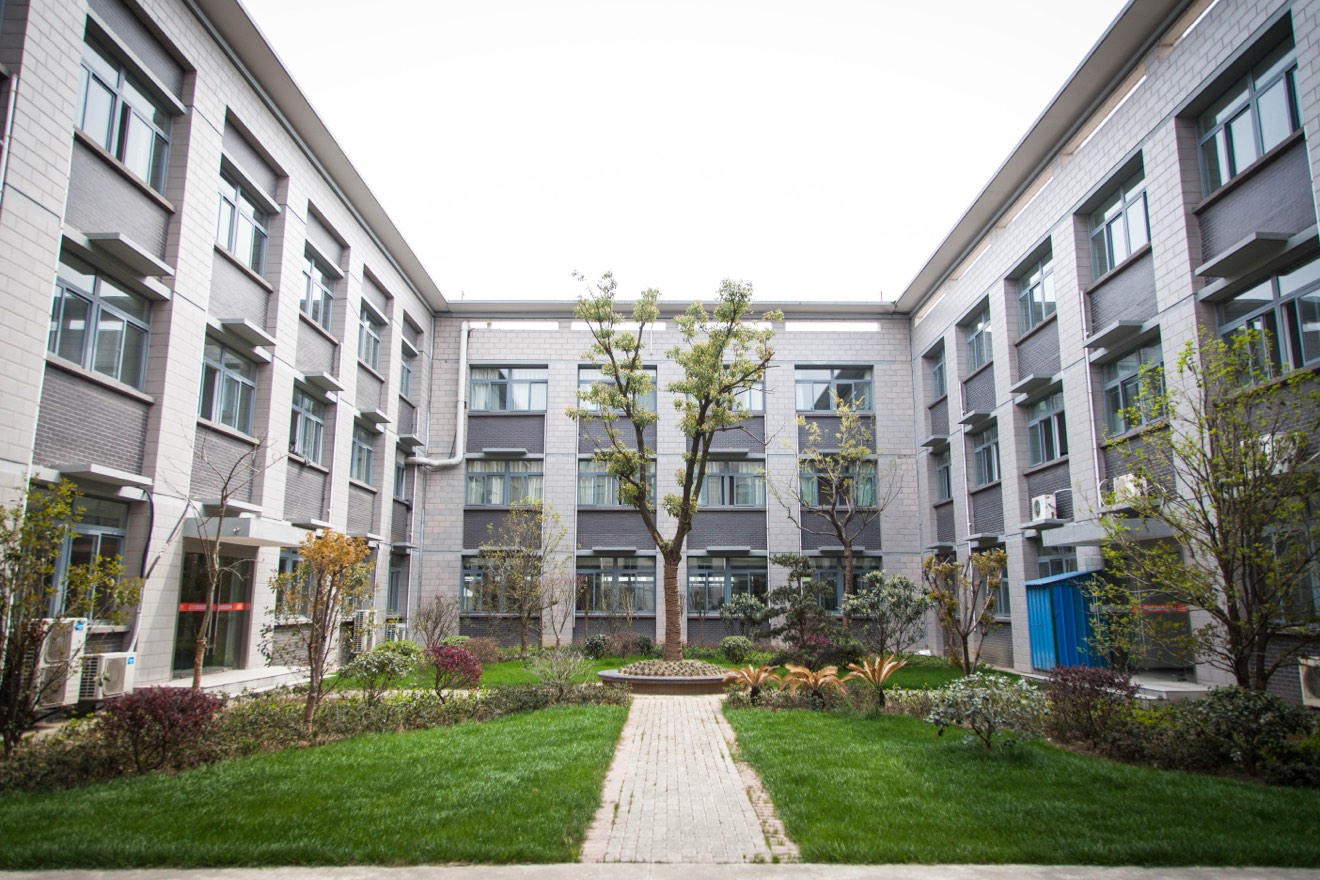
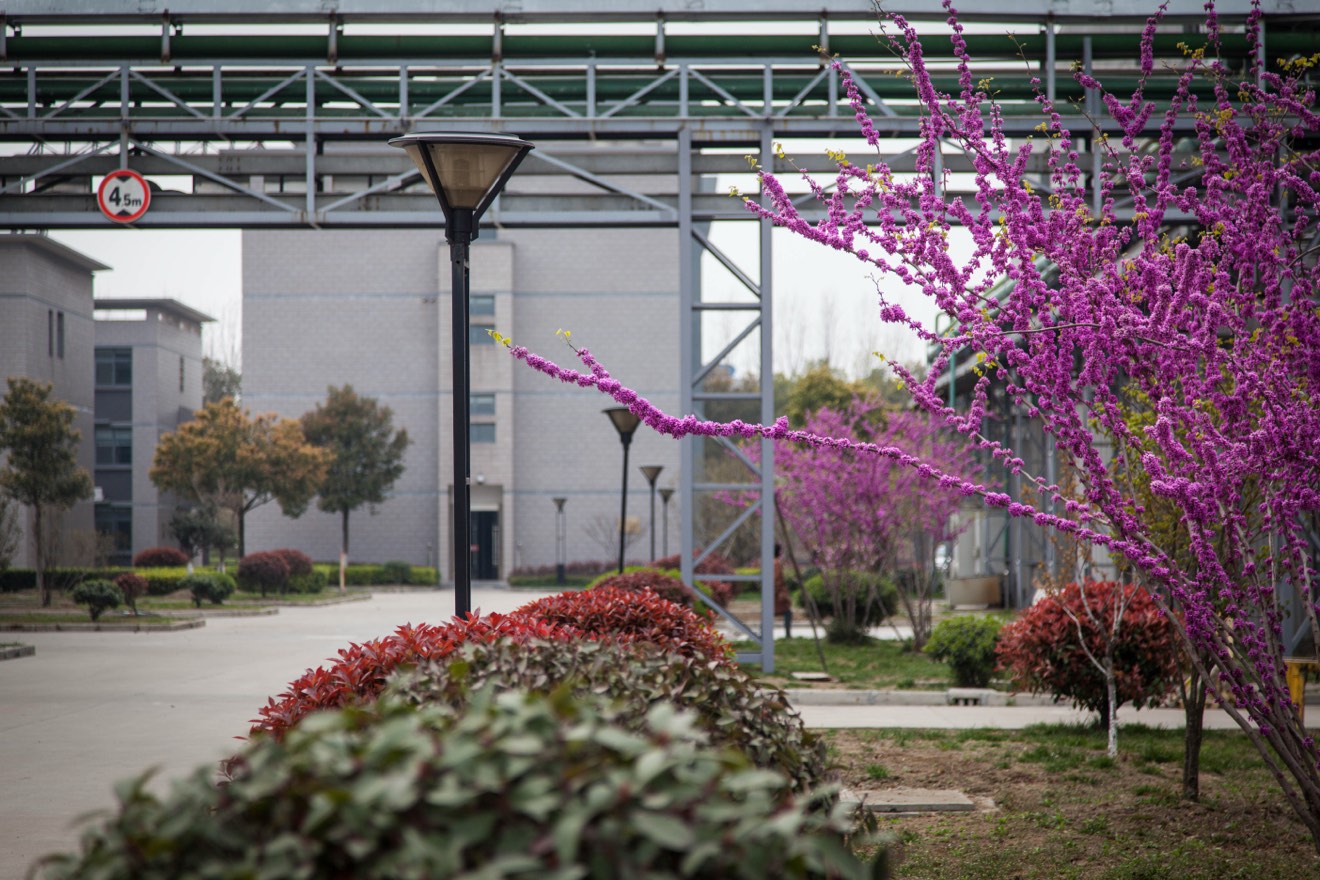
R&D, pilot scale-up and high-value manufacturingComplete chemical infrastructure and utilities supporting pilot scale-up of new products.
Acryl Technology (Qianjiang) Co., Ltd.A wholly owned subsidiary established on 21 October 2022.
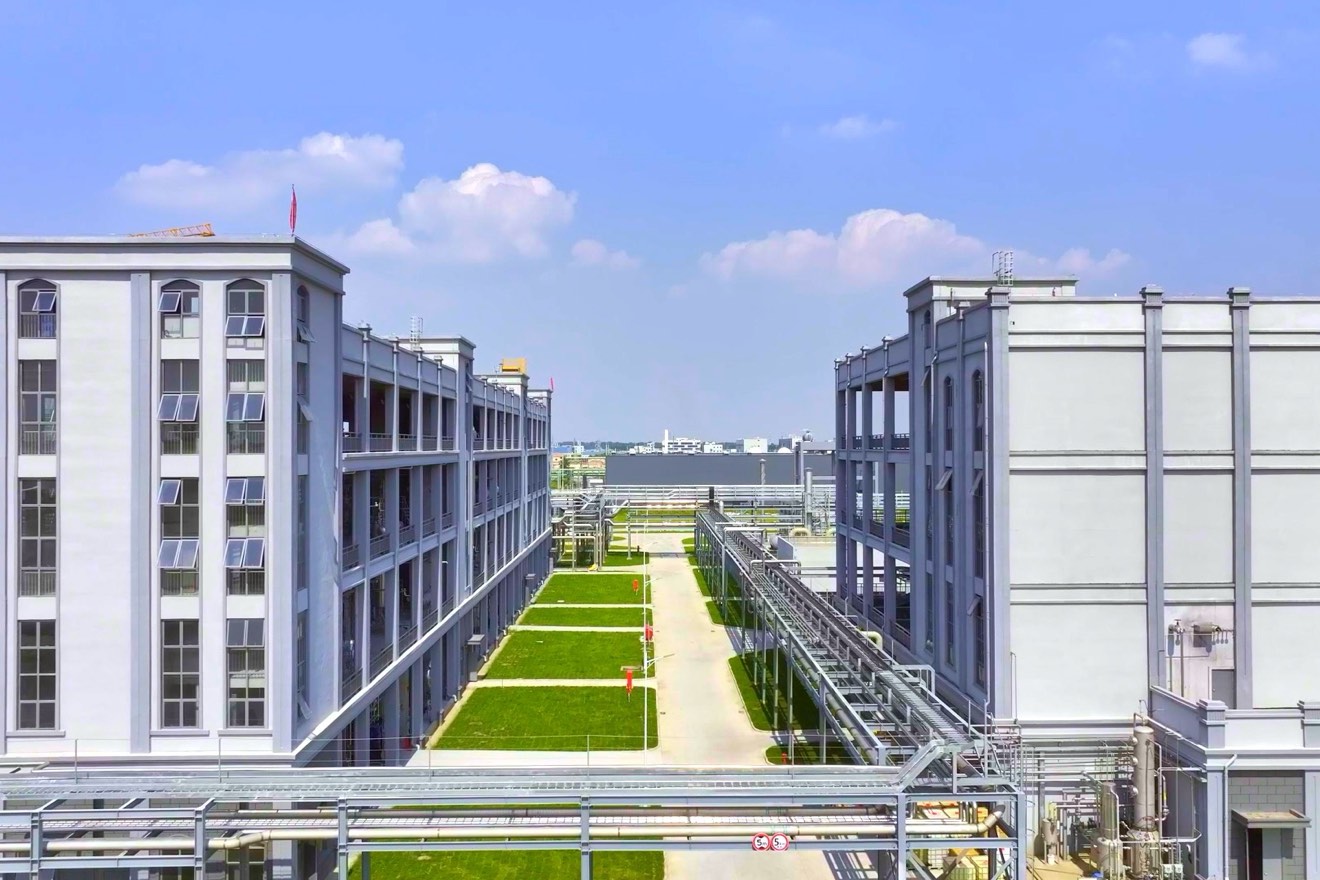
Jianghan Salt Chemical Industrial ParkWangchang, Qianjiang, Hubei.
RMB 1.05 billionTwo phases, floor area about 66,719 m², construction started in November 2023.
Polyetheramine · optical and specialty resinsPhase I: 20,000 t/y polyetheramine, 25,000 t/y polyether, 5,000 t/y modified epoxy resin and others. Phase II: 30,000 t/y cyclic olefin monomer and polymer.
Construction timeline
Construction begins
Work starts on the 20,000 t/y polyetheramine and 30,000 t/y optical materials project, with site preparation and foundation works following immediately.
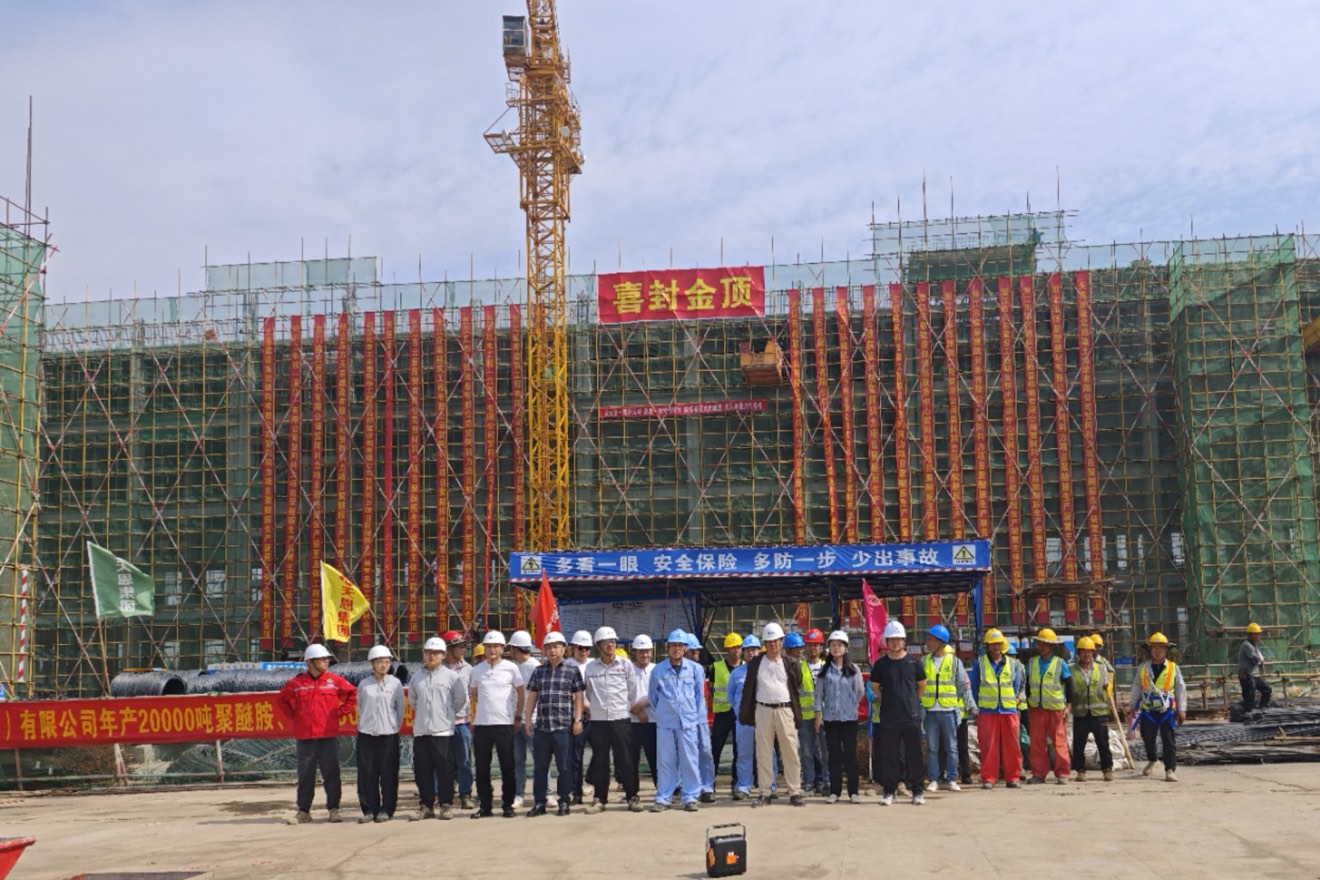
Polyetheramine unit tops out
The main structure of the 20,000 t/y unit is completed and equipment installation begins.
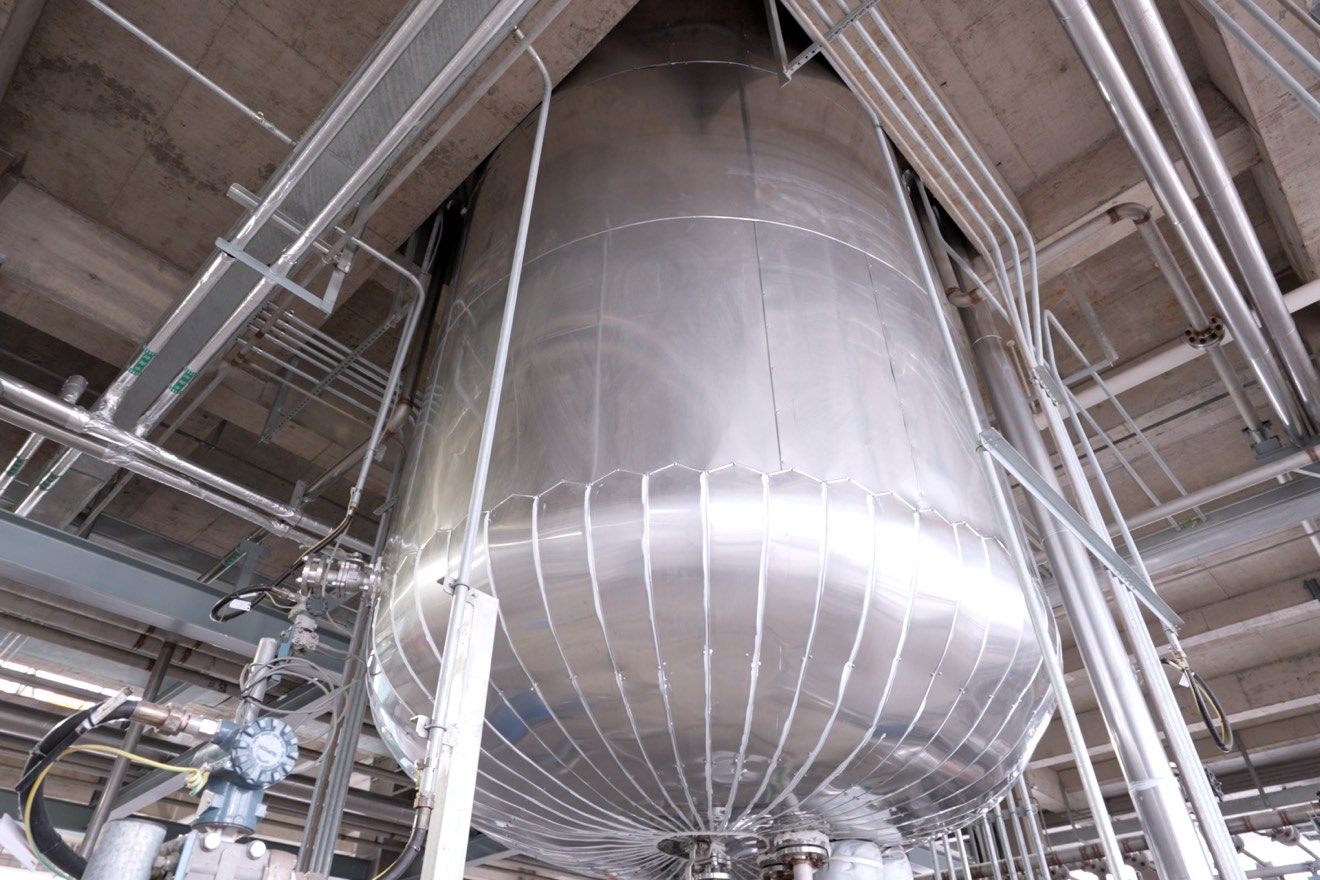
Core reactor lifted into place
The large reactor is hoisted into position as installation of key process equipment accelerates.
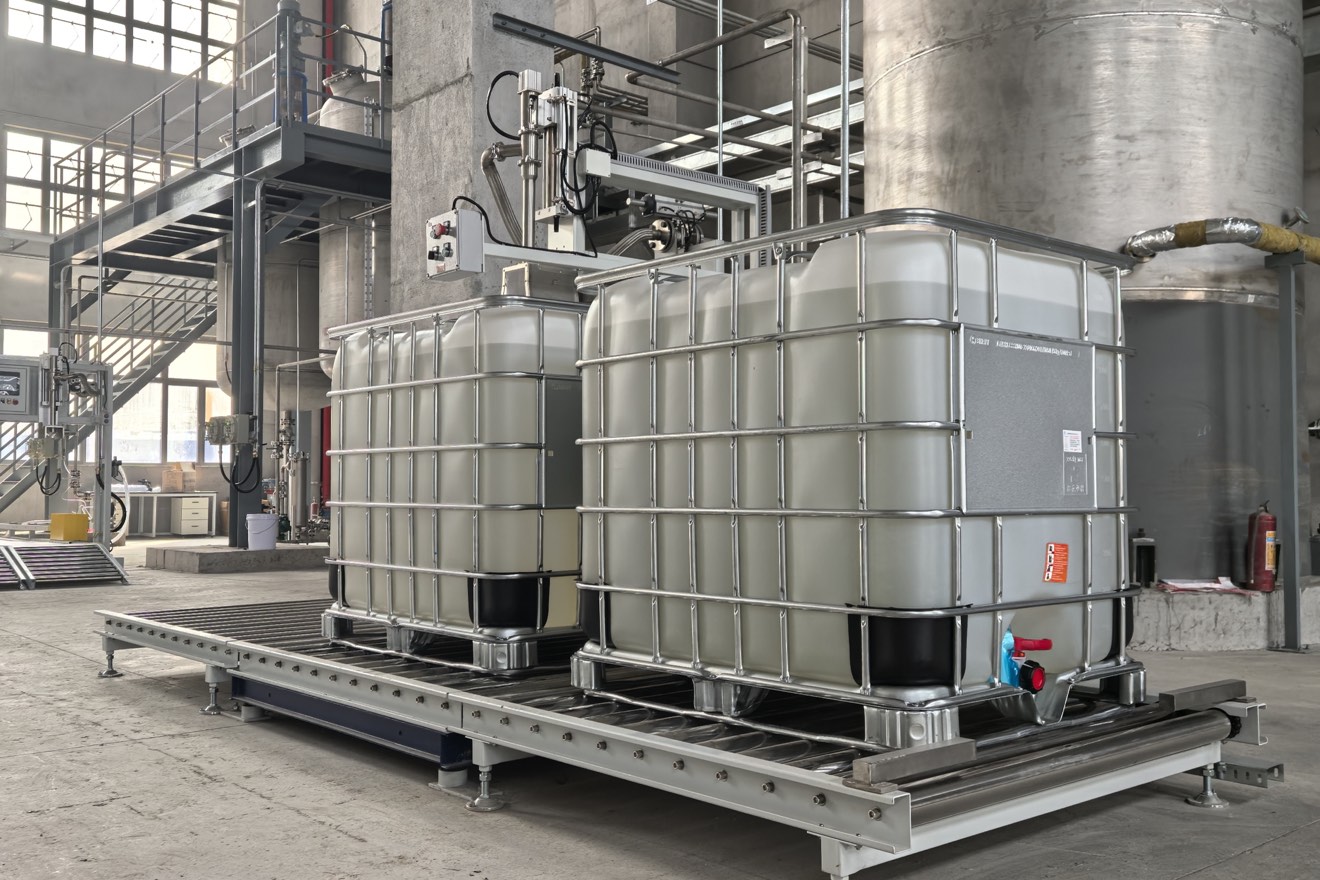
Polyetheramine shipped
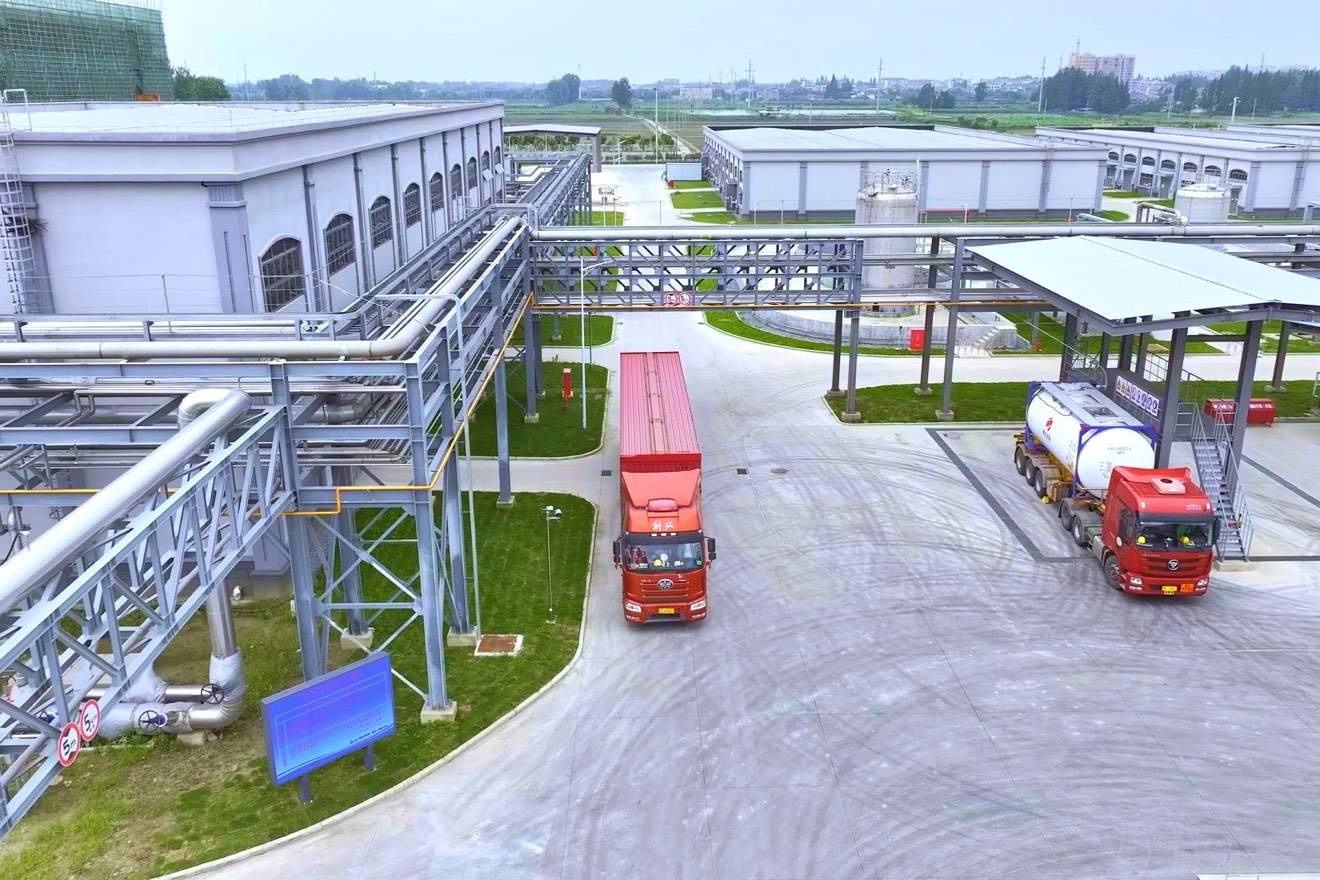
Product is filled and dispatched from Qianjiang as the unit moves into steady operation.
Safety, environment and quality
are the licence to operate
Acryl relies on systematic management to secure inherent plant safety and environmental compliance, and publishes environmental impact assessments for its construction projects as required by regulation.
- ISO 9001 quality management system
- ISO 14001 environmental management system
- ISO 45001 occupational health and safety management system
- National Level-2 work safety standardisation
- Project EIA information disclosed in line with the law and open to public scrutiny
Process safety management
Regular PSM training and drills to reinforce the safety baseline.
EIA disclosure
Environmental assessments for upgrade projects are published by stage and available in the newsroom.
Quality traceability
Batch management and retained samples across the chain, from raw material intake to finished goods.
Export compliance
REACH, TSCA and GL certification secure global market access.
Sustainability
As sustainable procurement requirements tighten downstream, Acryl is working on three fronts in parallel: carbon footprint accounting, sustainable supply chain assessment, and low-carbon product alternatives.
Product Carbon Footprint
Product carbon footprint (PCF) analysis has been completed, giving customers the data they need for carbon accounting and green procurement.
EcoVadis
Participating in the EcoVadis sustainability rating, covering environment, labour and human rights, ethics and sustainable procurement.
Together for Sustainability
Aligning with the TfS supplier assessment and audit framework for the chemical industry.
Life Cycle Assessment
Advancing full life-cycle environmental assessment to identify emission reductions from raw material through to delivery.
Low-carbon alternatives
Developing bio-based, recycled-feedstock and low-carbon process alternatives to existing products such as IBOA and IBOMA, helping customers reduce the embodied carbon of their own products.